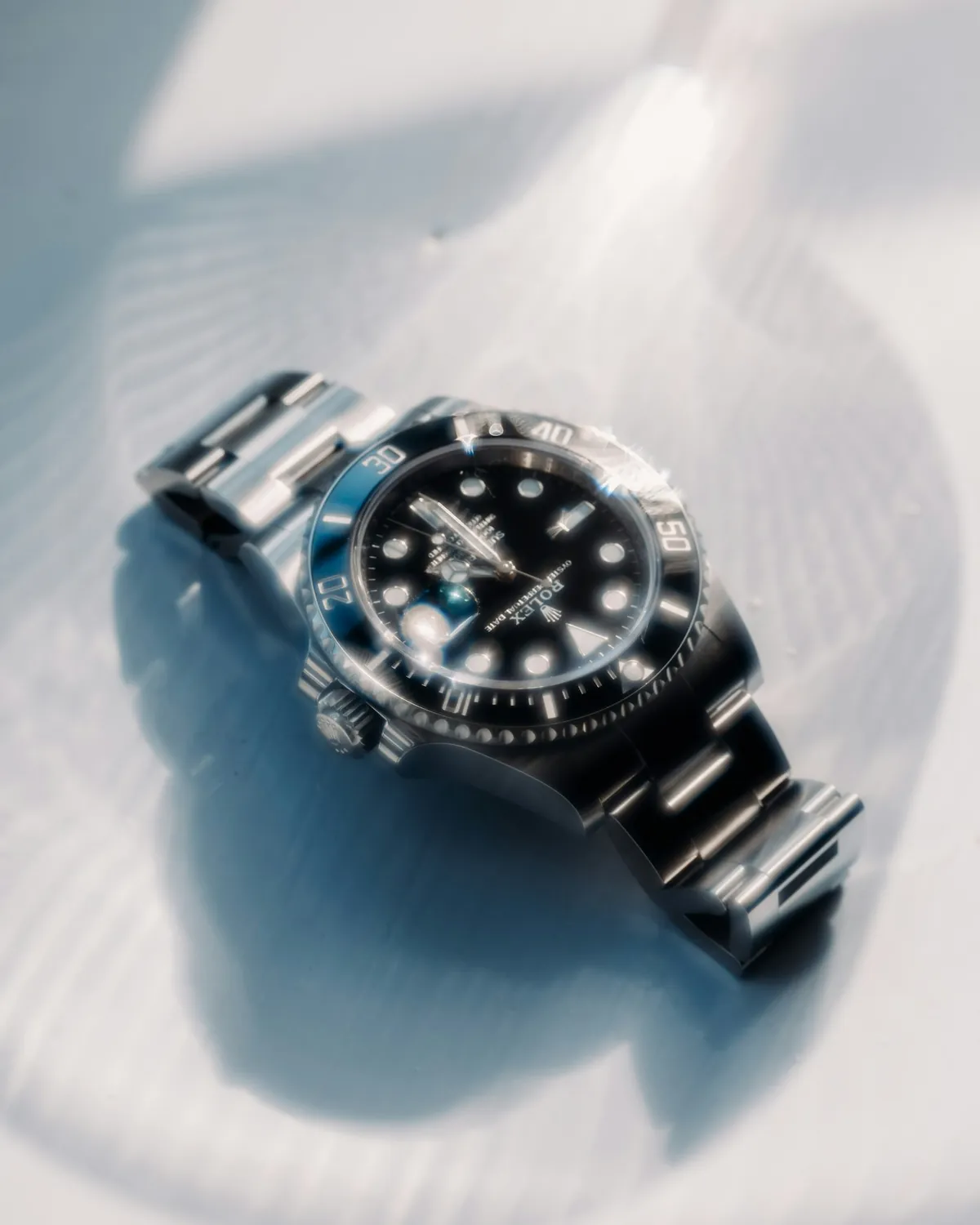
Submariner vs GMT-Master II
126610LN vs 126710BLNR: dive bezel or second time zone, 41 mm or 40 mm, and a gap of about $4,500 used.
Our Rolex model comparisons put two watches side by side, covering specifications, how they wear, what they cost new and used, and who each one suits.
All our Rolex model comparisons follow the same structure: a quick answer, a side-by-side specification table built from our reference data, a section on how the two watches wear, and a price table covering retail and three pre-owned conditions. It closes with a plain verdict.
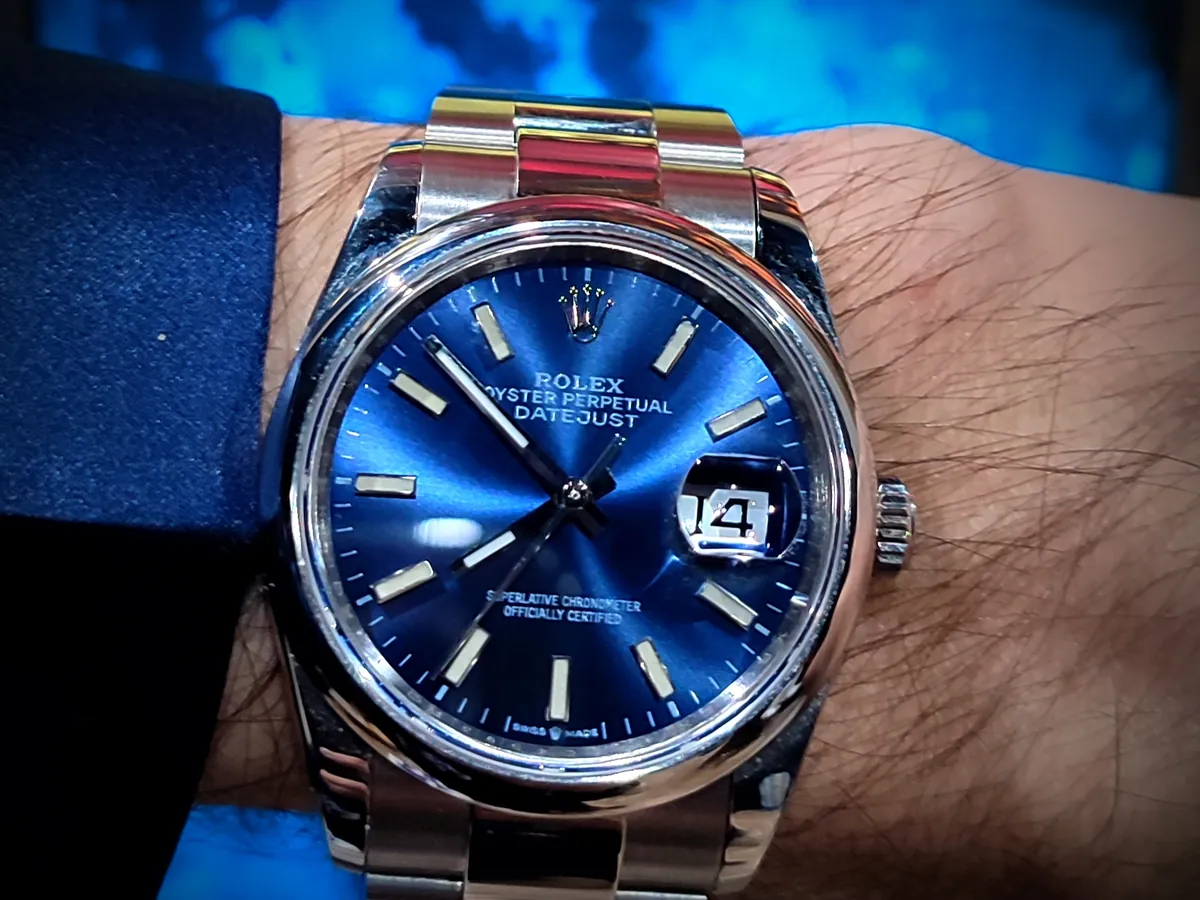
126610LN vs 126710BLNR: dive bezel or second time zone, 41 mm or 40 mm, and a gap of about $4,500 used.
126610LN vs 126600: 41 mm and 300 m, or 43 mm, 1,220 m and a helium valve, at a smaller used premium.
126610LN vs 124060: a date window, a Cyclops and about $1,300 at retail separate two otherwise identical watches.
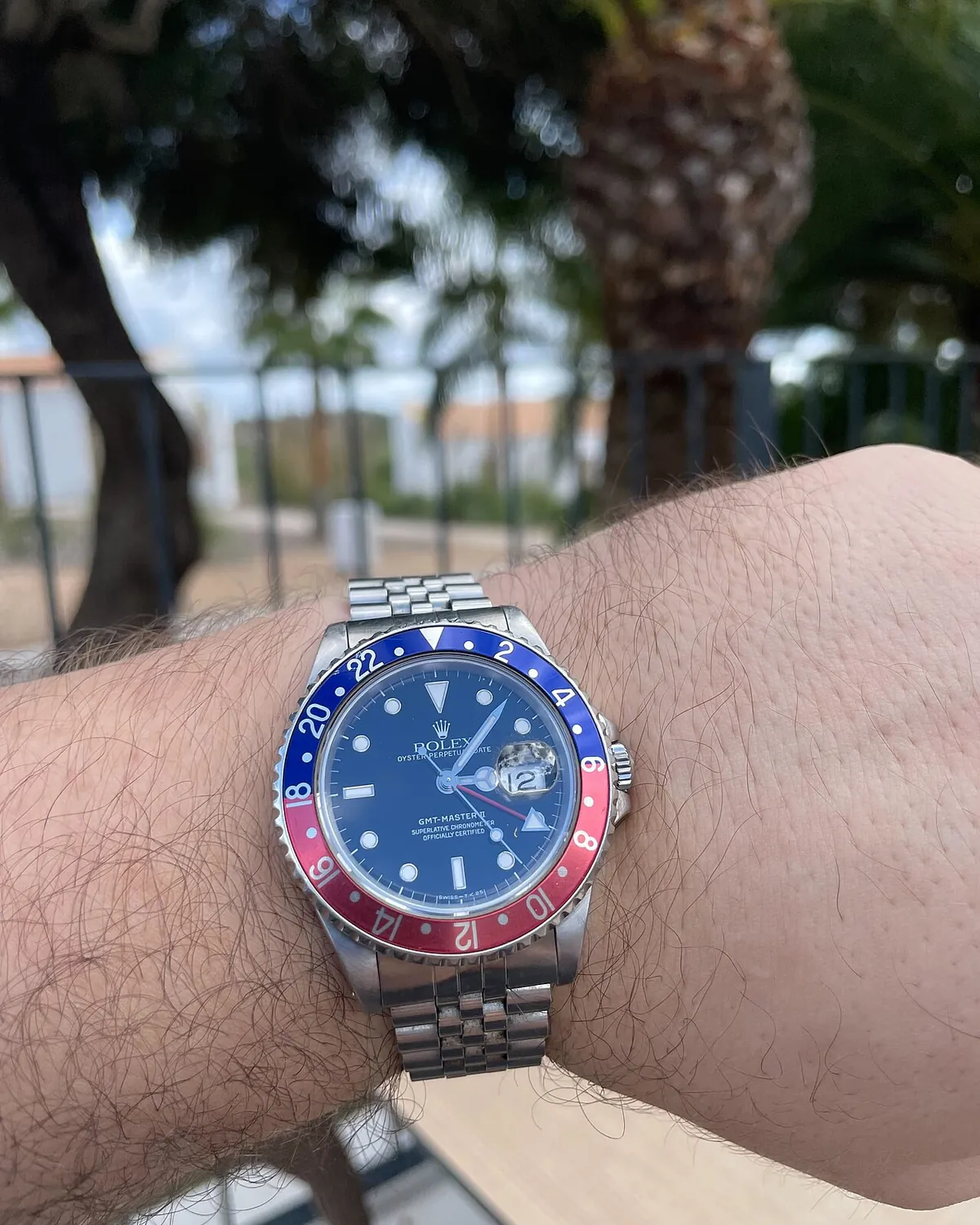
126710BLRO vs 126710BLNR: identical watches, different bezels, and since April 2026 a gap of about $7,500.
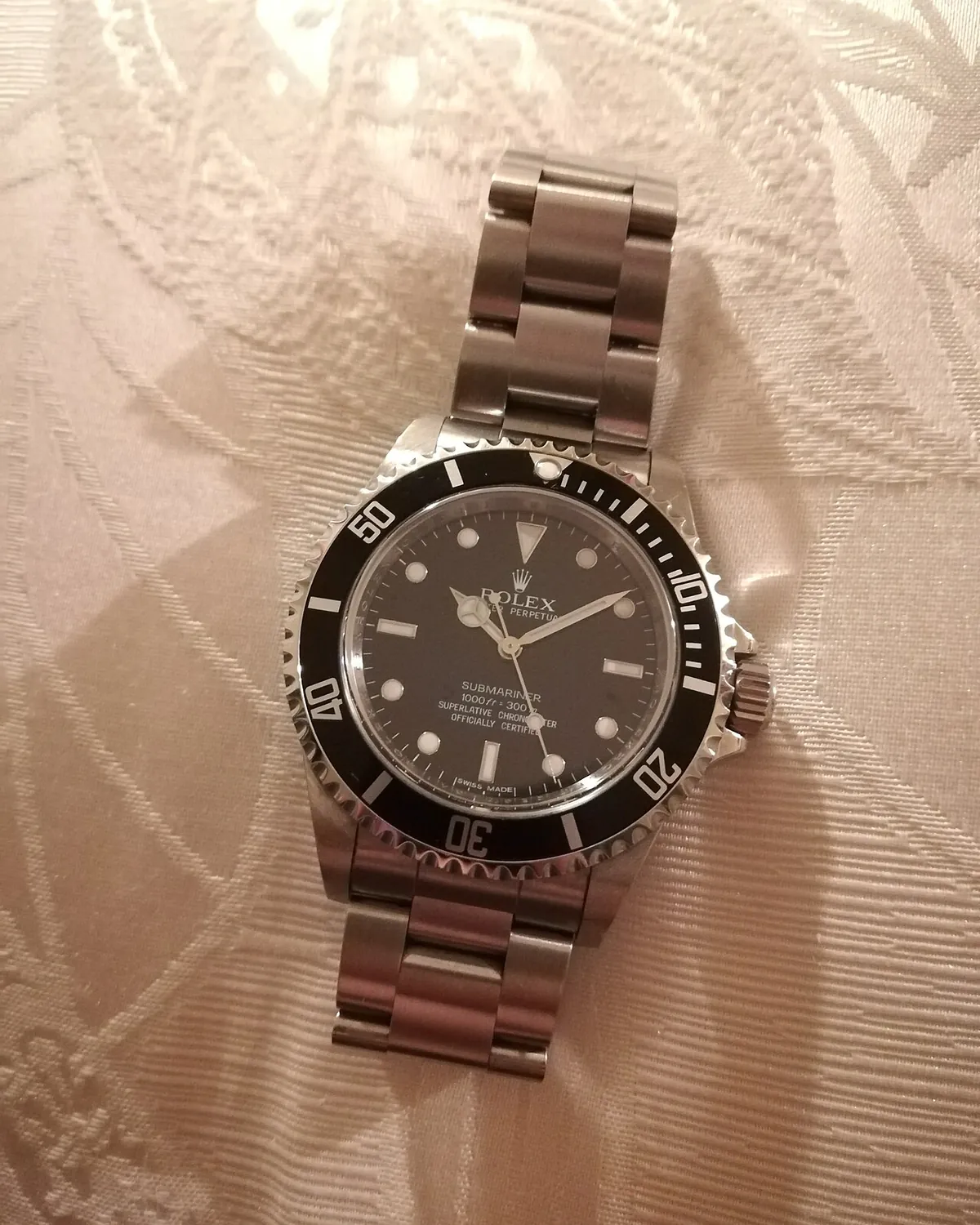
16610 vs 116610LN: aluminium or ceramic, slim lugs or Maxi case, and about $1,700 between them pre-owned.
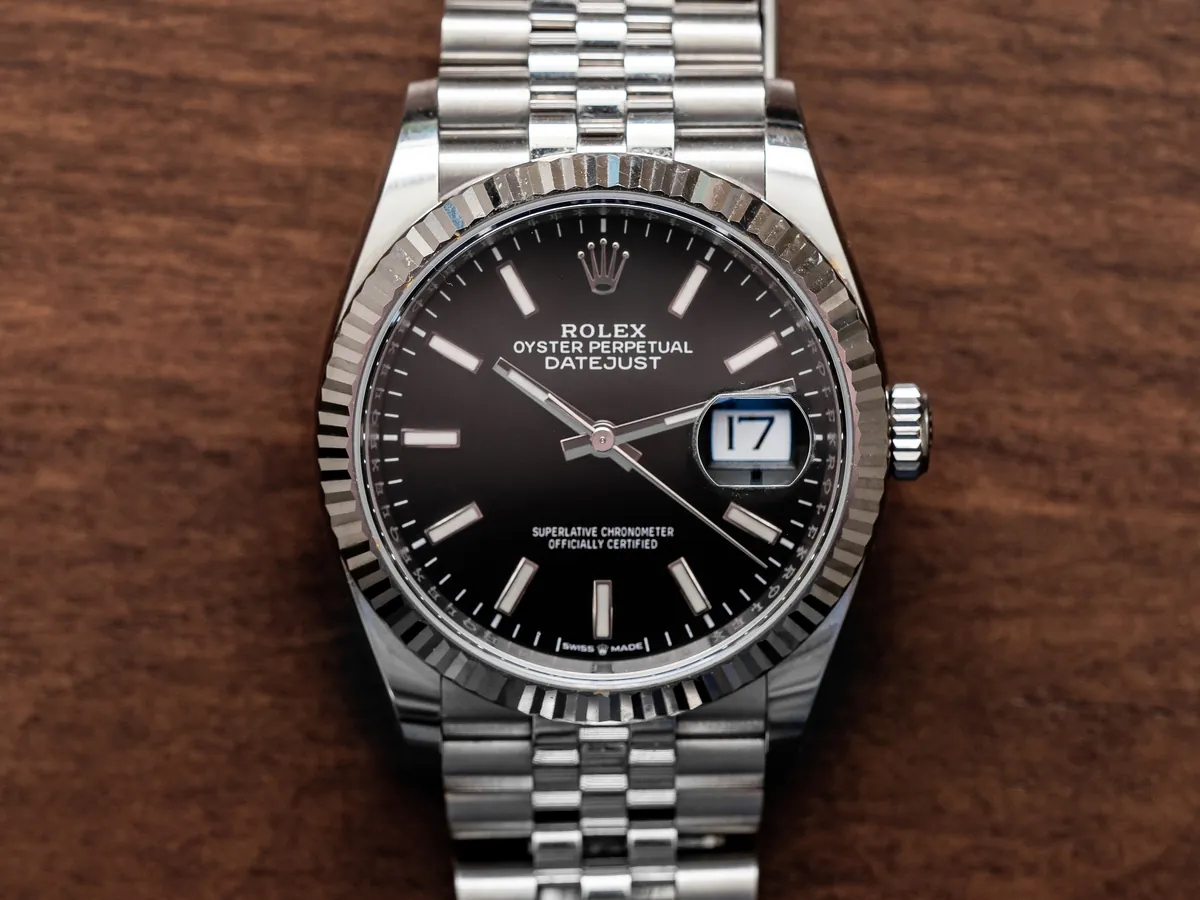
126234 vs 126334: a wrist-size guide in cm and inches, lug-to-lug, prices in USD and RM, and resale.
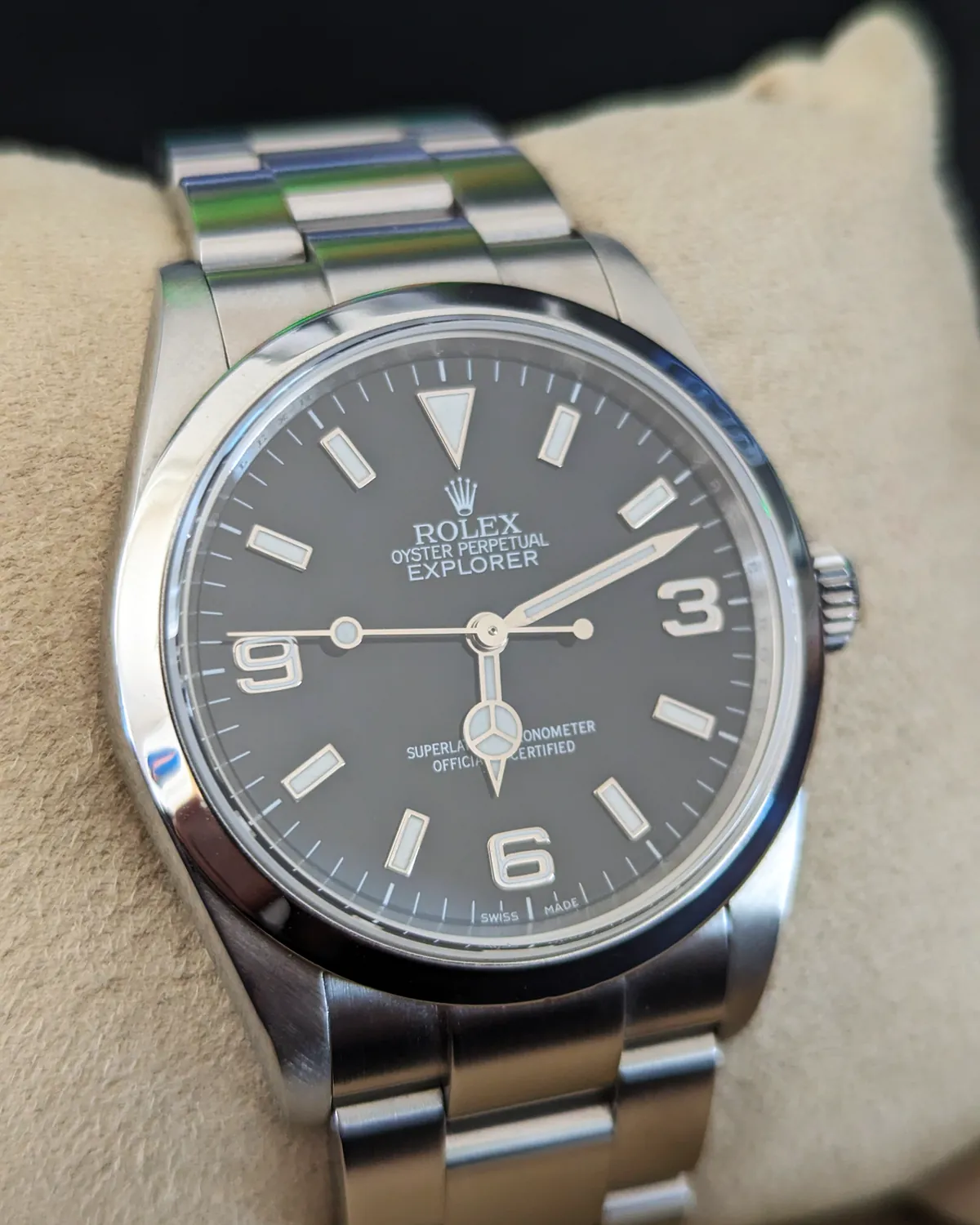
124270 (and the 40 mm 224270) vs 226570: size, the 24-hour hand, prices in USD and RM, and resale.
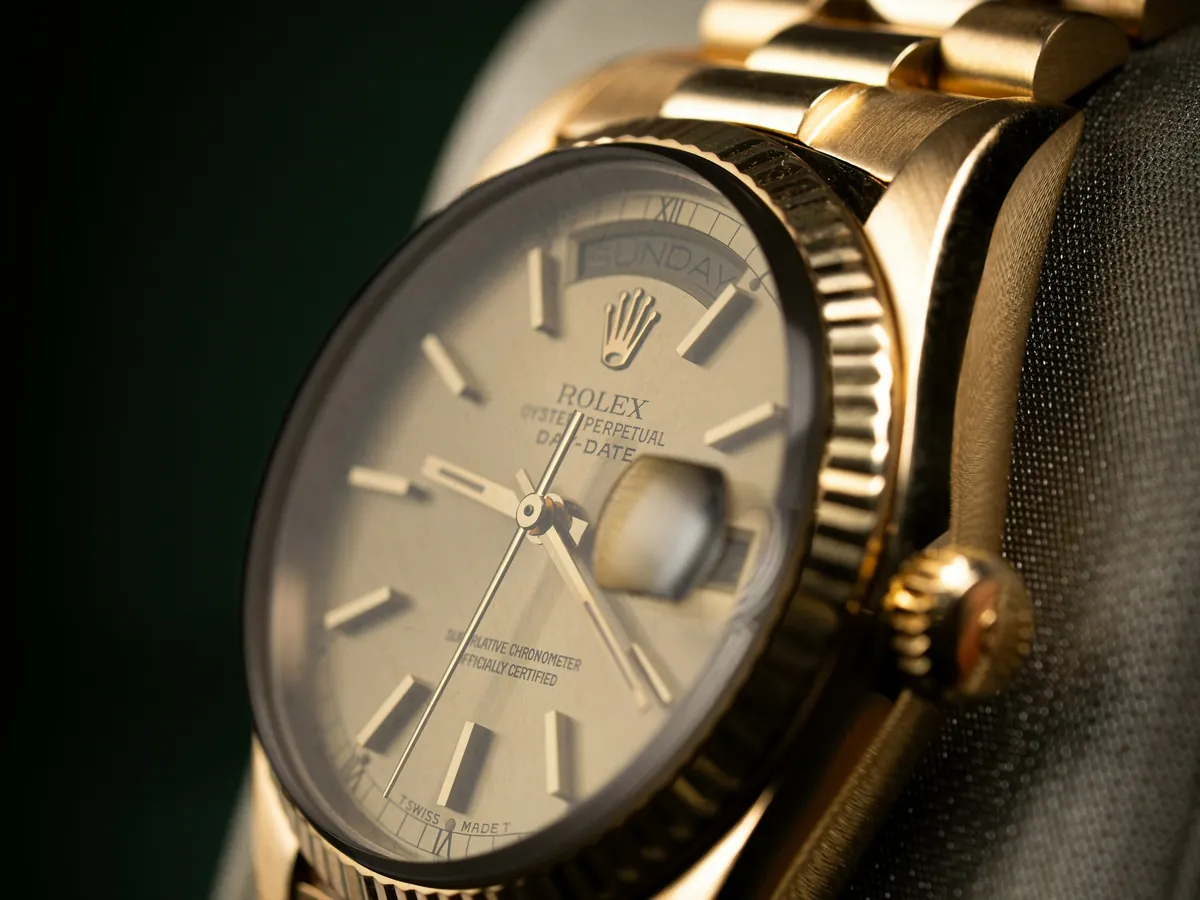
128238 vs 228238: how the two yellow-gold Presidents wear, what they cost in USD and RM, and resale.
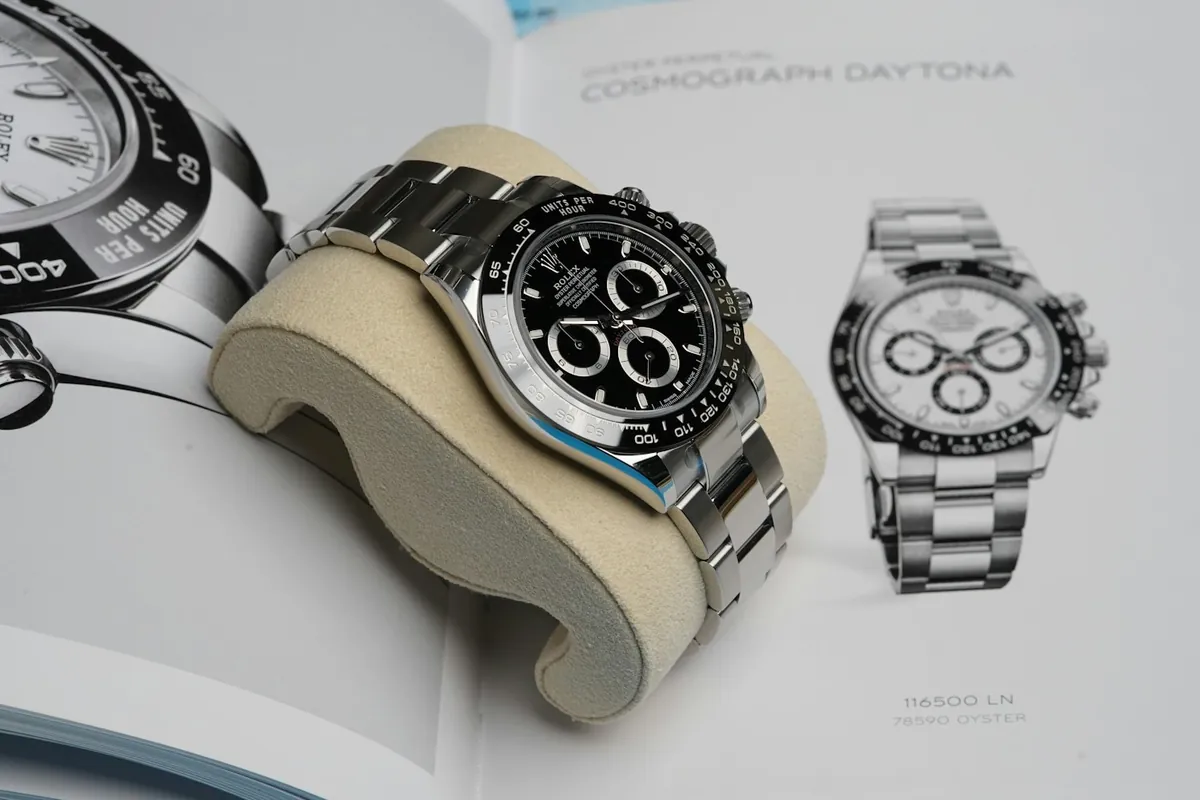
126500LN vs 126508 (plus 126505 and 126509): design, weight, retail vs market in USD and RM, and resale.
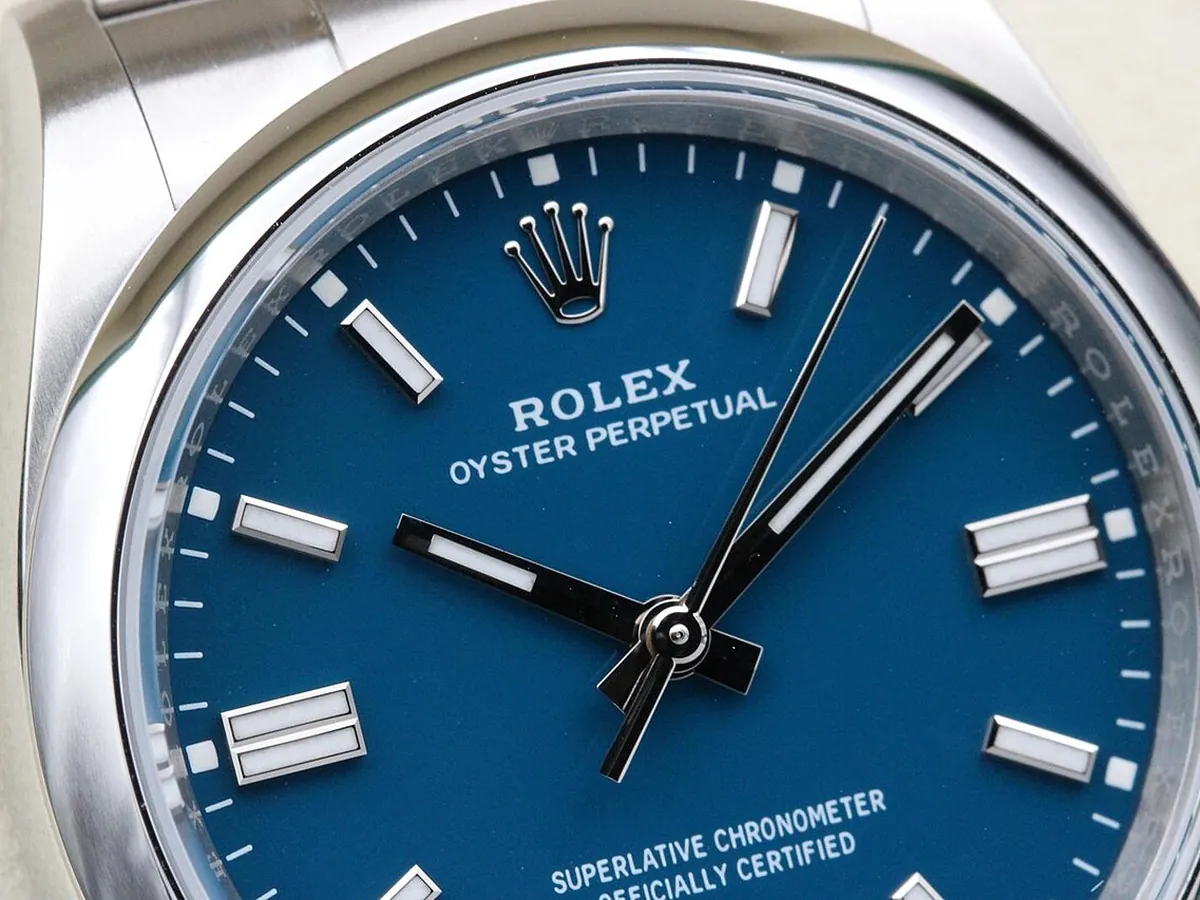
126000 vs 134300 (successor to the 124300): fit by wrist size, dial colours, prices in USD and RM, and resale.
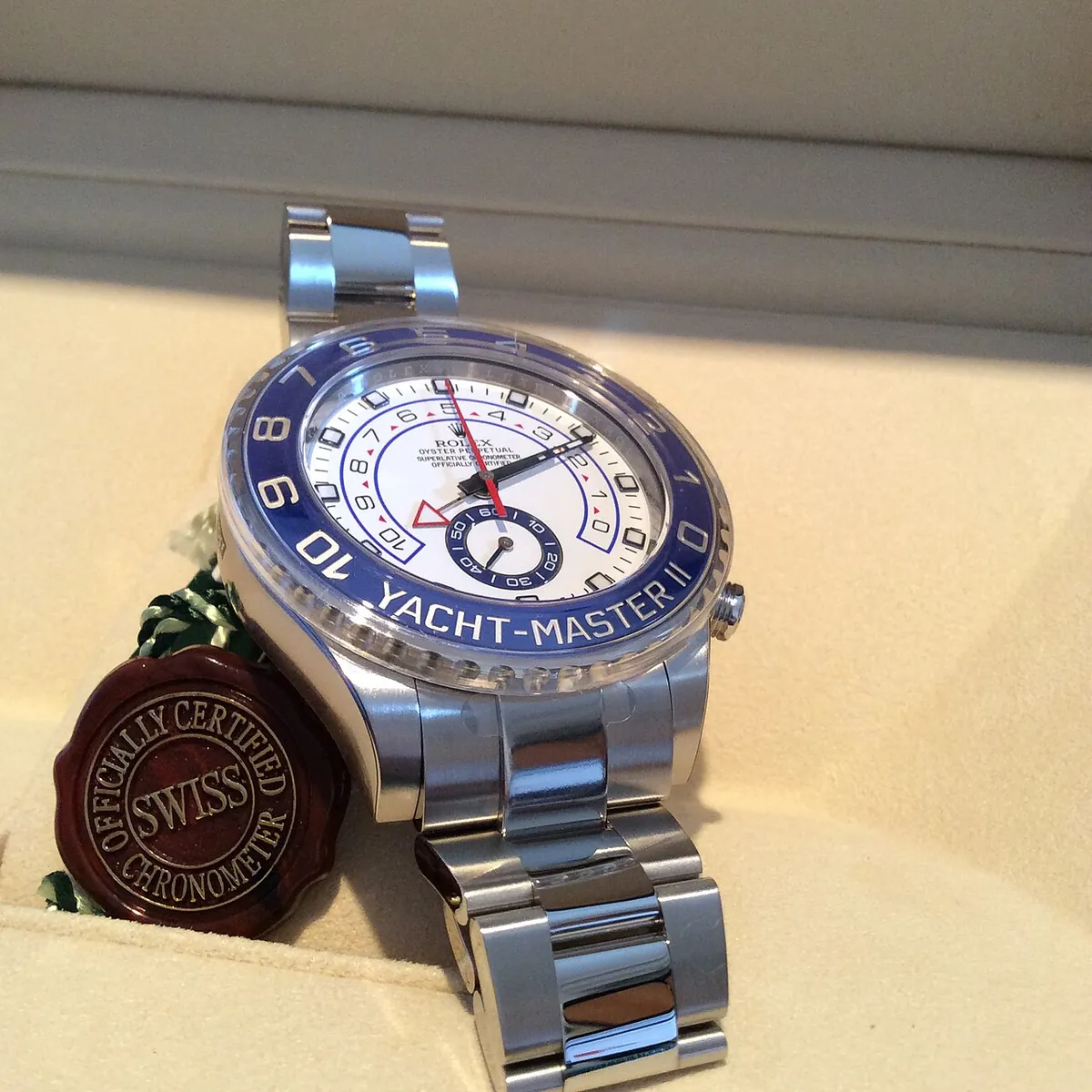
Rolesium vs steel, 100 m vs 300 m, near-retail vs premium: which 40-41 mm Rolex fits you.
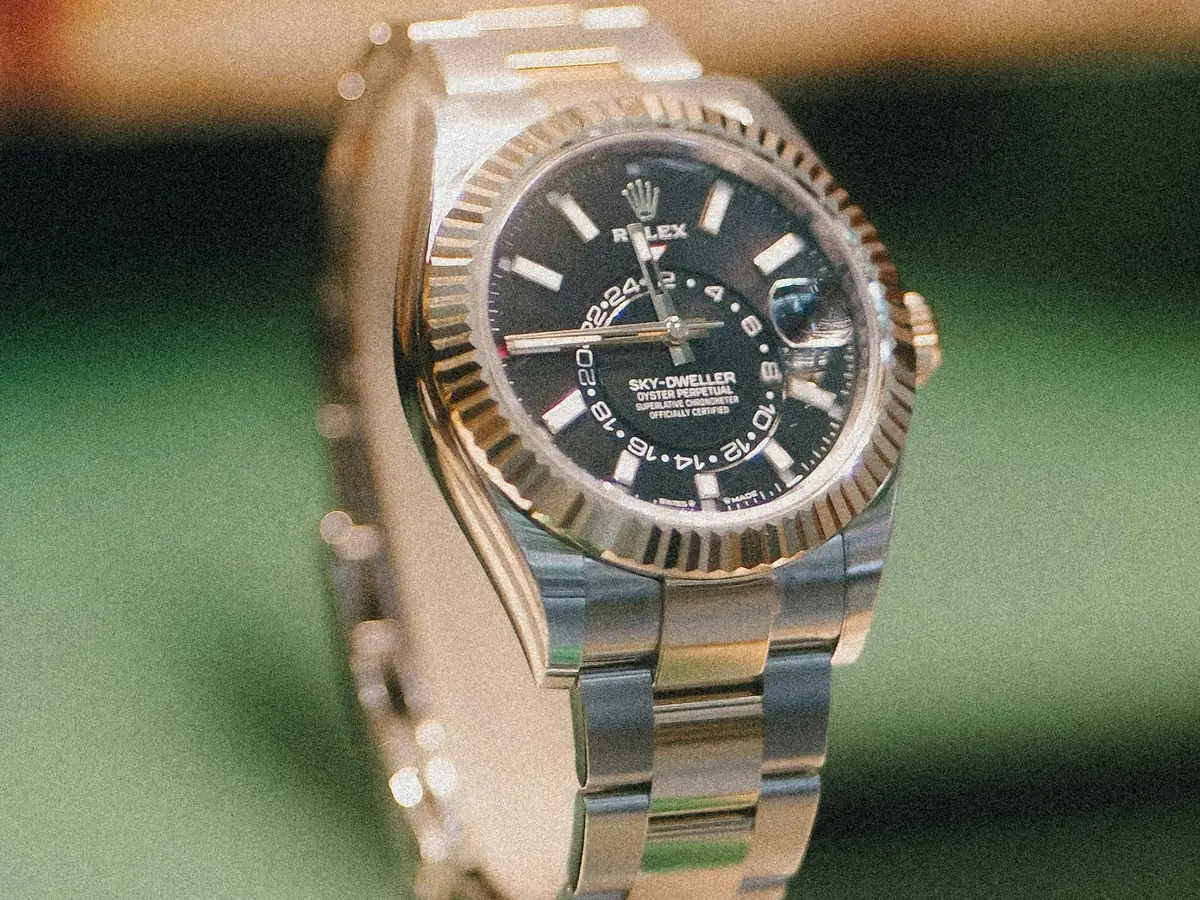
Annual calendar and GMT vs the President: two yellow-gold flagships compared on wear, function and value.
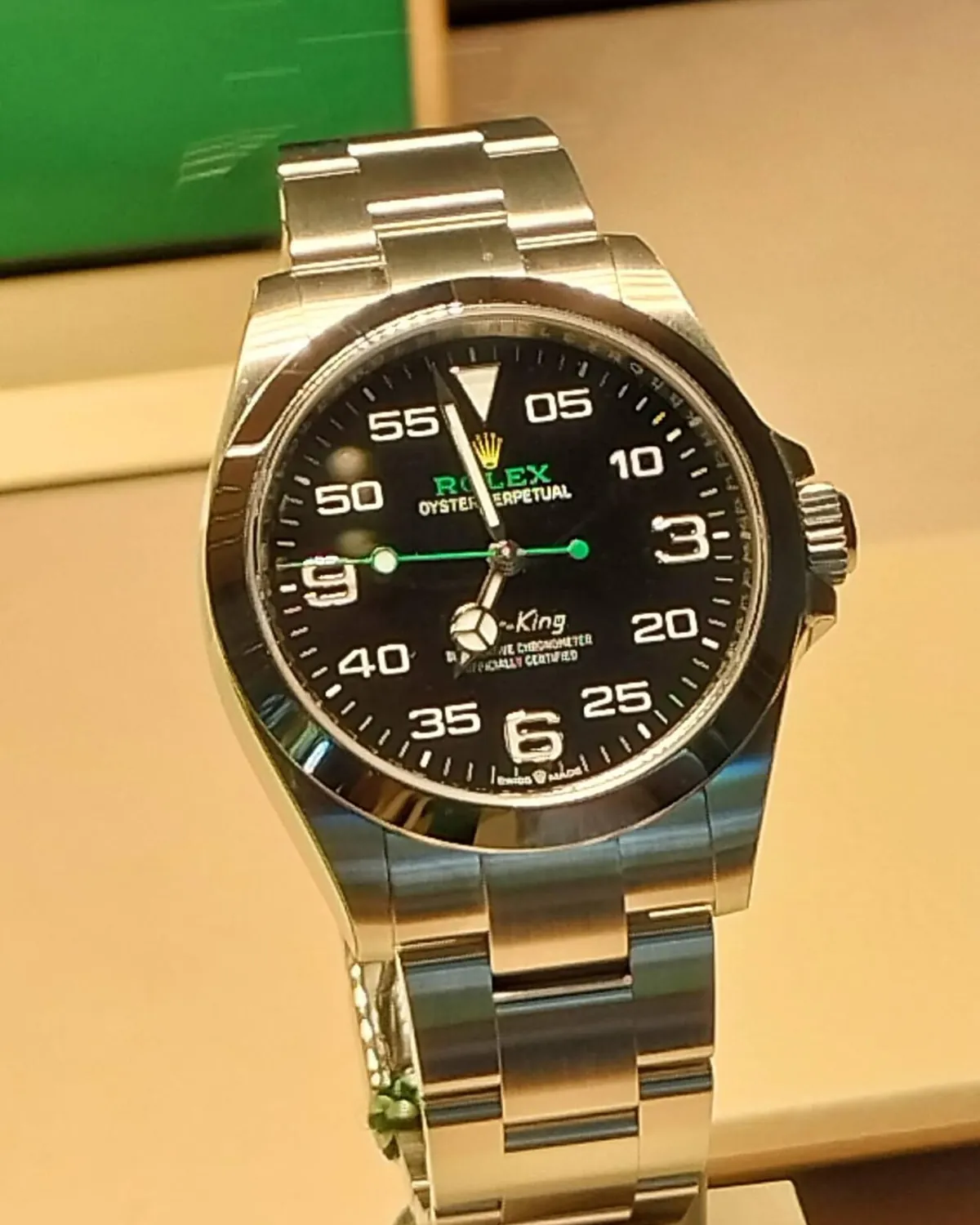
Same calibre, same size, near-identical price: how the aviation dial and the explorer's dial really differ.
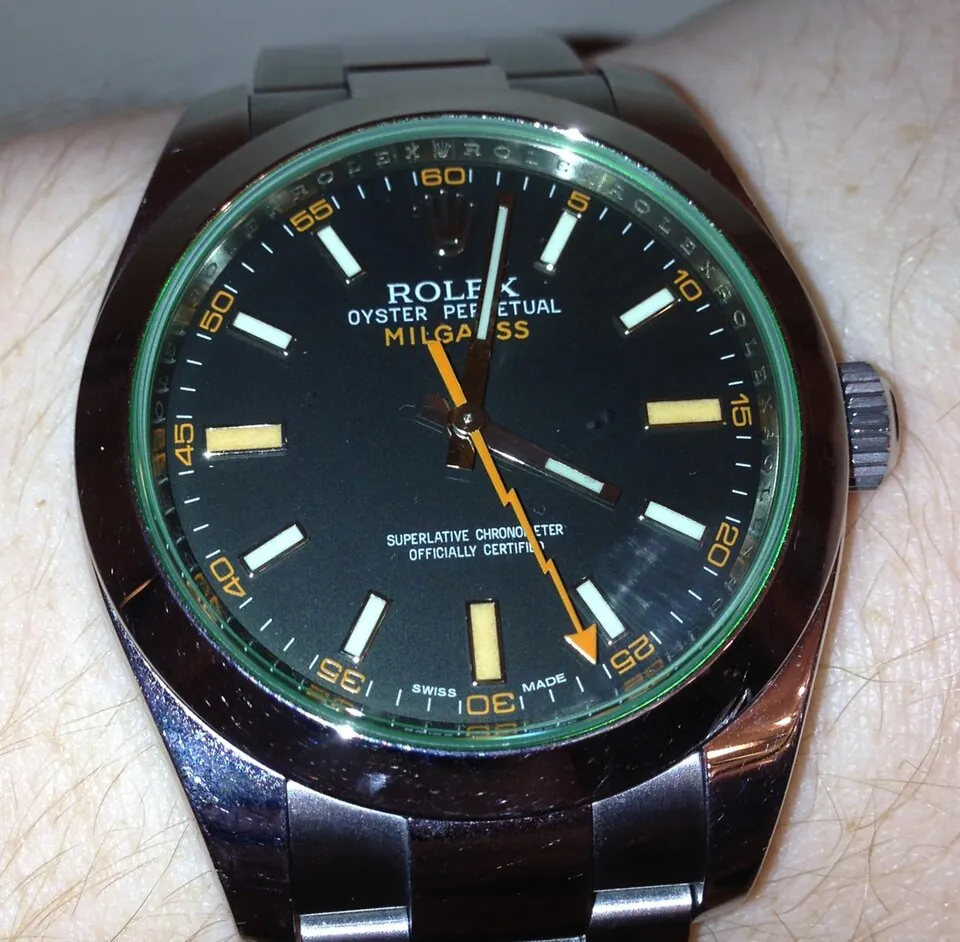
Two anti-magnetic Rolexes: green crystal and lightning seconds vs aviation dial and a newer calibre.
126610LN vs Diver 300M: specs, calibres, retail vs used prices and which dive watch to buy.
Retail 126610LN vs pre-owned 126610LN and 116610LN: price, warranty, wait and risk compared.
126200 vs 126000: date or no date, Jubilee or Oyster, and which 36 mm steel Rolex is the better buy.
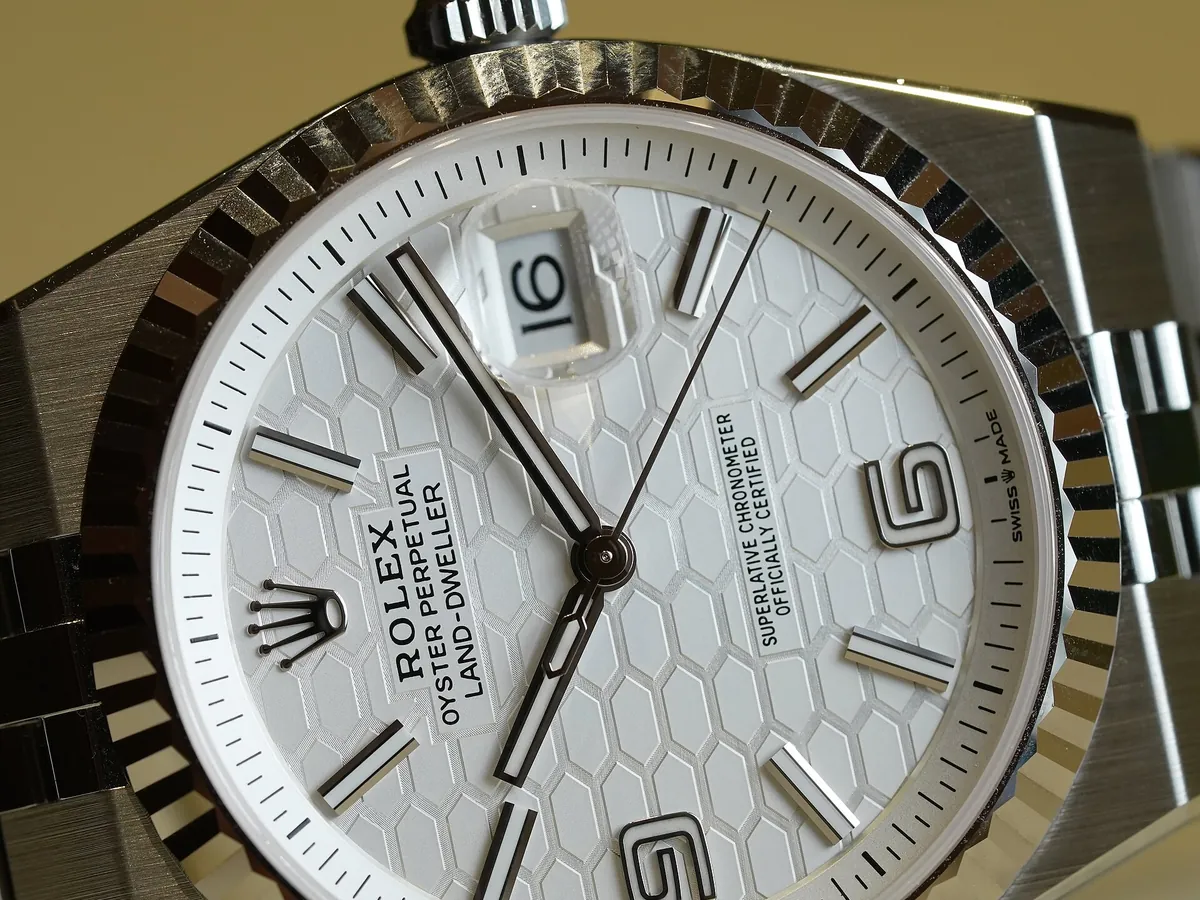
127334 vs 126334: integrated 5 Hz newcomer vs the classic Datejust, with prices and a verdict.
We do not score watches out of ten in our Rolex model comparisons. Instead, each comparison looks at four practical questions. How does it wear on a real wrist? How easy is it to buy at retail, and what does the pre-owned market charge? What does it cost to own and service? Finally, how has its value behaved over time?
Specifications only settle part of a decision. For example, two millimetres of case size matter less than lug-to-lug length and bracelet taper. Likewise, a cheaper retail price means little if the watch is impossible to buy at retail. Where a decision mainly comes down to budget, our used Rolex price guide and the retail vs market price guide explain the numbers behind the verdicts.
For most people, a steel watch they will wear daily: a Submariner, Explorer, Datejust or Oyster Perpetual. Choose by wrist size and use rather than by hype. Our first Rolex buying guide goes through the options by budget.
Steel professional models hold value best. The Daytona 126500LN and the GMT-Master II in steel trade above retail, and the Submariner Date sits about 30% above. Gold dress watches such as the Day-Date usually sell below retail pre-owned. See the used Rolex price guide for figures by collection.